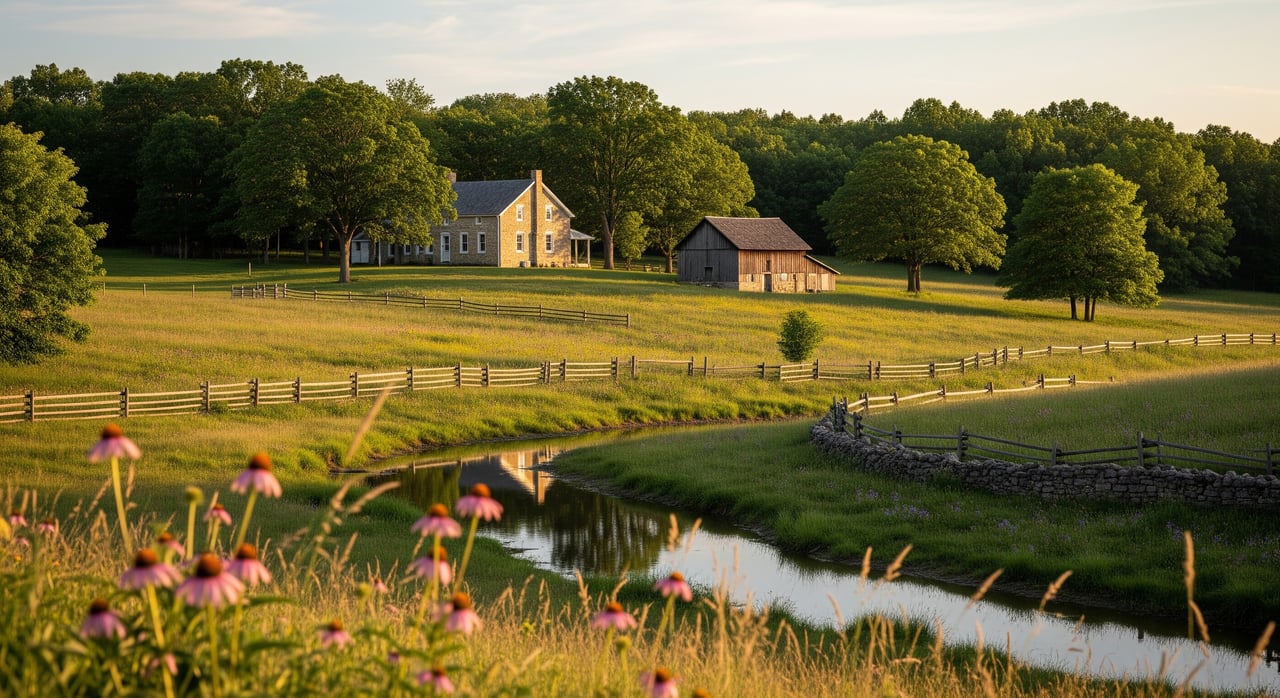
Buying or selling land in Jackson County and hearing the term “conservation easement”? You are not alone. Easements can protect open space, farmland, habitat, or water quality, but they also shape what you can build, how you use the property, and how lenders view it. In this guide, you will learn the basics, how easements affect use and resale, a step-by-step due diligence checklist, and where to go locally for answers. Let’s dive in.
What a conservation easement is
A conservation easement is a voluntary legal agreement recorded in county land records that limits certain uses of the land to safeguard conservation values. It is typically held by a qualified land trust or a government entity. Because it is a property interest, it runs with the land and binds current and future owners.
Easements are designed to protect things like habitat, scenic character, working farms, and water quality. The specific limits and permissions are set out in the recorded easement document. That document controls outcomes on the ground.
Common types you may see
- Donative easement: You donate certain rights to a holder. If it meets federal and state rules, a charitable deduction may be possible.
- Purchased easement: A holder or government program pays you for some or all development rights.
- Federal or state program easements: USDA NRCS programs like ACEP purchase easements that protect agricultural land or wetlands.
- Term-limited easements: Some are perpetual, while others expire after a term. Term-limited easements are less common and treated differently for legal and tax purposes.
What the document typically includes
- Conservation purpose and protected values.
- Prohibited and permitted uses, such as limits on subdivision or new structures, and allowances for agriculture.
- Reserved rights you keep as owner, along with any management standards tied to those rights.
- Holder’s monitoring and enforcement rights.
- Rules for amendments, assignments, and rare termination scenarios.
How easements affect land use and value
Easements can be a good fit for your goals, but they change the way a property can be used and marketed. Understanding the terms before you buy or sell is essential.
Land use and development
- Restrictions vary, but many easements limit subdivision, new construction, surface mining, or certain commercial activities.
- Easements operate alongside local zoning and permitting. They do not replace county or city approvals, and they can be more restrictive than zoning.
- Many easements allow limited residential use, such as a primary home and agricultural outbuildings. Others prohibit new residential development entirely. The recorded language governs.
Title, resale, and financing
- Runs with the land: The easement will appear in title searches and stays in place when you sell.
- Market value: Easements typically reduce development value, but they can increase appeal to buyers seeking rural, recreational, or conservation-oriented properties. Price impact depends on the specific terms and local demand.
- Lending and appraisal: Lenders and appraisers will review the easement. Some lenders are comfortable with these properties, while others are not. Work with professionals experienced in conservation easements.
Stewardship obligations and costs
- Monitoring: Holders typically conduct regular monitoring visits. You must allow reasonable access.
- Management: You may need to follow certain practices, like invasive species control or agricultural standards, or avoid others. These obligations stay with the owner unless otherwise agreed.
- Funding: When you donate an easement, the holder may require a stewardship contribution to support long-term monitoring and enforcement. Purchased easements or public programs may include stewardship funding.
Enforcement, changes, and public access
- Enforcement: The holder can enforce the easement through cooperation or, if needed, legal action. State officials may have oversight when public funds are involved.
- Amendments or termination: Some easements allow amendments that are consistent with conservation purposes. Terminating a perpetual easement is rare and usually requires court approval under state law. If public conservation interests are at stake, proceeds may need to be used for conservation.
- Public access: Easements sometimes include public access, but many do not. Public access is only required if the document says so.
Buyer and seller due diligence checklist
Use this checklist to understand any easement that applies to a Jackson County property.
- Obtain and review recorded documents
- Get a certified copy from the Jackson County Recorder of Deeds.
- Collect all attachments, maps, baseline documentation, and amendments.
- Identify the holder and open a dialogue
- Confirm whether the holder is a land trust or a state or federal agency.
- Request an interpretation letter outlining permitted uses, reserved rights, and monitoring protocol.
- Review the baseline documentation report (BDR)
- Study maps, photos, and any management plans. This report anchors future enforcement.
- Confirm reserved rights and prohibitions
- Note exact limits on building, subdivision, commercial activity, agriculture, timbering, and infrastructure.
- Clarify stewardship and monitoring
- Ask about the monitoring schedule, access needs, expected management actions, and whether stewardship funding is required.
- Title and insurance
- Ensure title insurance reflects the easement. If financing, engage lenders early and share the easement.
- Taxes and assessments
- Contact the Jackson County Assessor about assessment and classification. Donated easements may qualify for federal charitable deductions if they meet IRS rules; confirm tax implications with a qualified advisor.
- Zoning and permits
- Check with Jackson County Planning or your city’s planning department. Easements do not replace local rules.
- Understand amendment or termination provisions
- Ask the holder how they handle changes and whether state or public funding clauses affect termination.
- Marketability and appraisal
- Hire an appraiser with conservation-easement experience to value the property correctly.
Local offices and organizations
These resources help you find records, understand local rules, and get program information for Jackson County.
- Jackson County Recorder of Deeds: Recorded easement documents, maps, instrument numbers.
- Jackson County Assessor: Property valuation and classification questions.
- Jackson County Planning or your city’s planning department: Zoning, subdivision, and permit guidance.
- Jackson County GIS and parcel maps: Easement footprints and parcel overlays.
- Missouri Department of Conservation: Landowner conservation options and state programs.
- USDA Natural Resources Conservation Service (Missouri): ACEP and other federal easement programs.
- Land Trust of Missouri and other land trusts: Easement terms, monitoring practices, and holder capacity.
- Land Trust Alliance: Best practices for donors and how to evaluate land trusts.
Jackson County scenarios to consider
Thinking through real-world situations can clarify your next steps.
Selling a farm with a donated easement
If your easement limits subdivision and new residential structures, you will likely market to buyers who value open space, agriculture, and long-term stewardship. Expect appraisers and lenders to focus on the property’s permitted uses. Detailed documentation, clear maps, and a holder interpretation letter will help you set expectations and target the right buyer pool.
Buying a recreational tract with a program easement
If the easement was purchased through a federal or state program, confirm whether public access is required and what management practices are expected. Ask the holder about any cost-share programs or monitoring schedules, and verify if a new cabin or access drive is permitted before you make an offer.
Placing an easement on family land
If you want to keep a property in agriculture or open space, a donative or purchased easement may fit your goals. Work with qualified advisors on valuation, tax treatment, and stewardship funding. Discuss future building envelopes, access needs, and any allowed agricultural structures with the holder before finalizing terms.
When an easement might fit your goals
Easements are not only about restrictions. They can align with your vision for the land.
- Long-term protection: Keep a working farm or natural habitat intact over generations.
- Market positioning: Appeal to buyers who prefer rural, recreational, or conservation-oriented properties.
- Program partnerships: In some cases, public programs purchase easements that support agricultural or wetland protection.
That said, the benefits only hold if the easement’s terms match your plans. The recorded document controls what is possible.
How The Benjamin Team helps
You deserve a guide who understands both the lifestyle and the technical details. Our team works across Jackson County and surrounding markets with a focus on land, equestrian properties, and lifestyle acreage. Here is how we support you:
- Buyer representation: We coordinate document retrieval, holder conversations, and specialized lending and appraisal introductions so you can make confident offers.
- Seller representation: We position your property to highlight permitted uses, stewardship, and lifestyle value. Our premium marketing reaches the right buyer pool.
- Valuation and consultation: We help you understand how easement terms affect pricing, target audience, and time on market.
If you are weighing an easement on your land or buying a property that has one, let us be your first call. Connect with Dana Benjamin for a friendly, no-pressure conversation and a clear plan.
FAQs
What is a conservation easement and who holds it?
- A conservation easement is a recorded agreement that limits certain land uses to protect conservation values, and it is held by a qualified land trust or a government entity.
Does a conservation easement always allow public access?
- No. Public access is only required if the easement document says so; many easements do not include public access.
How does an easement affect my sale price in Jackson County?
- It often reduces development value but can attract buyers who want conservation attributes; the impact depends on local demand and the easement’s specific terms.
Can I build or subdivide if there is an easement?
- Only if the recorded easement explicitly allows it; you must review the document for exact limits on building envelopes and subdivision.
Will lenders finance a property with an easement?
- Many will, but terms vary; engage lenders and appraisers who have experience with conservation-easement properties and share the full document early.
Can a conservation easement be changed or terminated?
- Limited amendments may be allowed if consistent with conservation purposes; termination of a perpetual easement is rare and typically requires court approval under state law.
How might an easement affect my property taxes or income taxes?
- Donated easements may qualify for federal charitable deductions if IRS rules are met, and assessed value may change; consult the Jackson County Assessor and a qualified tax advisor for specifics.