Dreaming about more space, privacy, and a little room to breathe? Moving to acreage in Johnson County can be a great lifestyle upgrade, but the details matter. From utilities to zoning to drive times, the right prep helps you avoid costly surprises. In this guide, you will learn how to match your goals to the right parcel size, what to inspect, who to call, and the steps to make a confident offer. Let’s dive in.
Define your acreage goals
Choosing acreage starts with how you plan to live day to day. The size and setup you pick should fit your routine, budget, and long-term plans.
- Small acreages, about 1 to 5 acres: Manageable maintenance, close to suburban services, good for privacy and hobbies like gardens or small animals.
- Hobby farms or horse properties, about 5 to 20 acres: Room for barns, pastures, and paddocks. Expect animal-related rules and potential agricultural considerations.
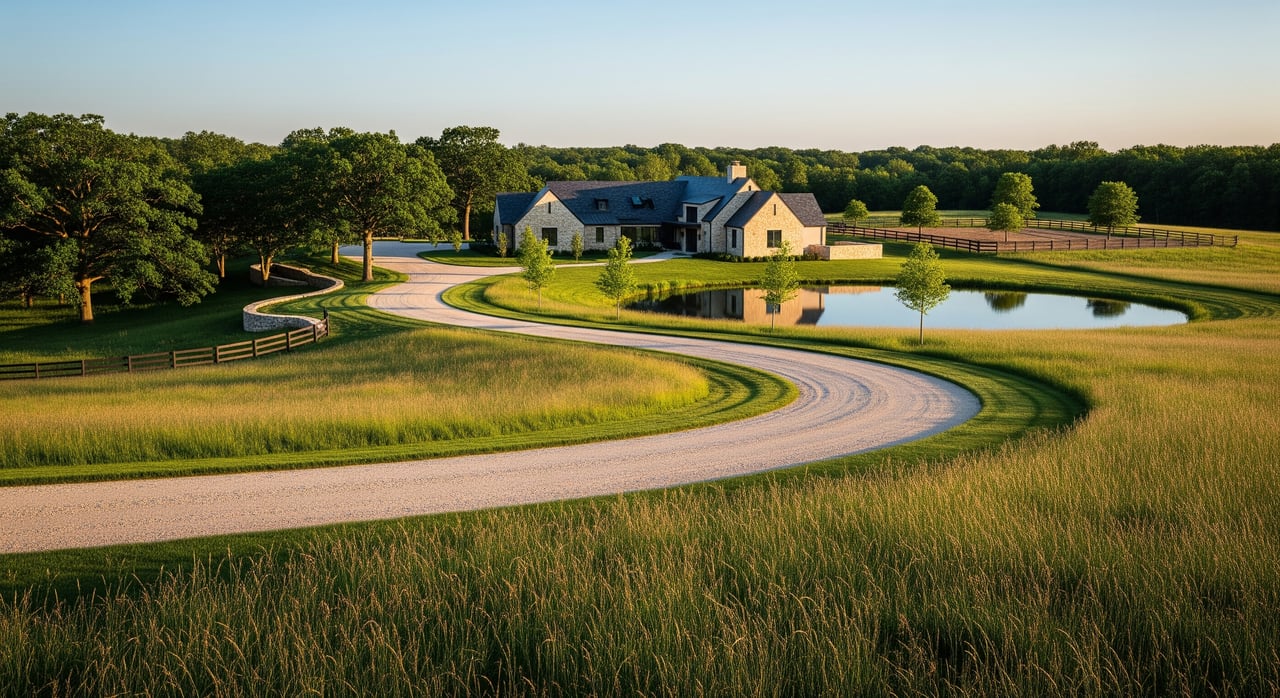
- Estate or recreational parcels, 20+ acres: Greater privacy and possible timber, hunting, or crop use, with higher upkeep and potential limits on utilities.
Johnson County includes dense suburbs and rural edges on the west and south sides. Your price and options vary with proximity to Overland Park, Olathe, Lenexa, and Leawood, and access to routes like I-35, I-435, and US-69. Commute time, nearby services, and lifestyle preferences often drive decisions here.
Location and access
Roads and maintenance
Confirm if the driveway or road is paved or gravel, and whether it is public or private. Ask who maintains it and how costs are shared. For private roads, look for a written maintenance agreement and verify right-of-way ownership.
Commute and services
Test your drive at peak hours and try different routes, especially I-35, US-69, and I-435. Consider proximity to shopping, healthcare, and emergency services. The balance between privacy and access is personal, so compare options before you offer.
Future development
Review county and city comprehensive plans to see if nearby development could change traffic patterns or impact privacy. Planning staff can explain how land-use maps apply to a specific parcel.
Utilities checklist
Water
Find out if the property is served by a water district or uses a private well. For wells, request well logs, note depth and yield, and test for bacteria, nitrates, and other contaminants. Confirm any permits that apply to the well.
Wastewater
Determine whether the home is on public sewer or an on-site septic system. For septic, check permits, age, maintenance records, and capacity. For new systems, soil testing and a permit through local environmental health, with Kansas Department of Health and Environment guidance, are typical.
Electric and gas
Confirm electric service and whether lines need to be extended. The regional utility in the area, such as Evergy, may provide service, but availability is address specific. Natural gas can be limited on rural parcels. If not available, plan for propane and confirm provider options.
Internet and phone
Service varies widely by parcel. Verify if fiber, cable, fixed wireless, or satellite is available for the exact address. Internet quality affects remote work, streaming, and school needs.
Trash and recycling
Ask if the property is served by city collection, county roll-off, or private haulers, and note any extra costs for rural service.
Land and site conditions
Soils and septic suitability
Soil type affects both septic systems and foundations. Use county health records and the USDA Web Soil Survey to understand clay content, hydric soils, and depth to bedrock. Poor soils can raise costs or limit building locations.
Flood risk and drainage
Check FEMA flood maps and Johnson County GIS for floodplain, wetlands, and mapped drainage ways. Flood status can affect insurance and where you can build. Walk the land after heavy rain to spot drainage issues.
Topography and tree cover
Steep slopes and ravines increase construction and driveway costs. Flat parcels can present standing water challenges. Tree cover and natural features are valuable, but removal or grading may require permits.
Legal and title items
Survey and boundaries
Request a recent boundary survey or budget for a new one. Verify corners and lines before you plan fencing, barns, or additions.
Easements and rights-of-way
Look for utility, ingress or egress, conservation, or pipeline easements. These can affect where you can build and how you access the property.
Covenants and HOAs
Some acreage sits within recorded plats or HOAs with architectural rules and limits on animals or outbuildings. Read all documents carefully.
Mineral rights and tax status
Confirm whether mineral rights convey. Check current tax classification, including any agricultural or use-value status, and what happens if your use changes.
Zoning and allowed uses
Zoning basics
Confirm the zoning district and permitted uses with Johnson County or the applicable city. Ask about minimum lot size and what is allowed for home businesses.
Outbuildings and ADUs
If you plan to add a barn, shop, guest home, or accessory dwelling unit, verify setbacks, size limits, and permits. Rules vary by jurisdiction.
Animals and livestock
Cities and zoning districts may set limits by type and number of animals. Review local ordinances before you buy.
Safety, services, and insurance
Fire protection
Distance to a hydrant and the nearest fire station affects response times and insurance costs. Ask the local fire district about requirements for driveway access and address posting.
Police and emergency services
Response times vary by proximity to municipal departments or the county sheriff. Consider this when you weigh more remote locations.
Insurance
Rural properties can have higher premiums due to distance from hydrants, wildfire exposure, or flood risk. Talk to carriers once you know the parcel’s specifics.
Due diligence timeline
Pre-offer checks
- Verify the school district for the exact parcel and understand enrollment policies.
- Confirm availability for water, sewer, electric, gas, and internet at the full address.
- Identify road access and maintenance responsibility.
- Search public records for covenants, easements, and tax status.
- Review zoning and future land-use plans with county or city planning staff.
Offer contingencies and inspections
- Title and survey contingency to resolve boundary questions.
- Well inspection with water testing for bacteria, nitrates, and flow if applicable.
- Septic inspection or soil percolation test, plus permit compliance.
- Structural inspections for the home and outbuildings, including driveway condition.
- Environmental screening for larger tracts or property near agriculture or industry. Consider a Phase I assessment if concerns arise.
- Floodplain and wetlands review with an option to withdraw or renegotiate if risks are uncovered.
After contract
- Apply for building, well, septic, and driveway permits as needed. Timelines vary by jurisdiction.
- Obtain quotes and timelines for any utility extensions. Rural extensions can take months.
- Confirm property tax classification and whether agricultural or use-value status will transfer.
- Coordinate with the fire department on access standards that may affect closing or insurance.
Who to contact
- Johnson County Planning, Zoning and Codes and County GIS
- Johnson County Appraiser and Treasurer
- Johnson County Environmental Health and the Kansas Department of Health and Environment
- City utilities and public works for Overland Park, Olathe, Lenexa, Shawnee, De Soto, Gardner, and Spring Hill
- Electric and gas providers serving the parcel
- Water districts serving Johnson County
- School district offices for boundary verification
- USDA NRCS and Kansas State University Extension for soils and conservation
- FEMA Flood Map Service Center resources and Johnson County GIS for floodplain data
Costs to plan for
- Land price per acre depends on proximity to the urban core, utilities, buildable area, and terrain.
- Utility extensions for water, sewer, electric, gas, and long driveways can be significant. Get quotes early.
- Septic repairs or replacement can be costly, especially with challenging soils.
- Well repairs or drilling vary by depth and local geology.
- Property taxes may change if the land’s use changes.
- Insurance premiums can be higher based on rural factors and flood risk.
Long-term ownership
- Maintenance time and budget: mowing, fence repairs, pasture care, barn upkeep, and well or septic service.
- Resale and marketability: smaller acreages near services appeal to more buyers, while large or remote tracts can limit your pool.
- Future subdivision or development: research zoning rules, minimum lot sizes, and platting processes before you count on this path.
- Conservation programs: easements or land programs may provide benefits but limit future options. Consult NRCS, land trusts, and an attorney.
- Income potential: hobby farms can offset some costs, but agricultural income often does not cover ownership expenses.
How we guide acreage buyers
You deserve a partner who understands both suburban life and rural land. Our team specializes in Johnson County acreage, horse properties, and lifestyle tracts. We help you verify utilities and access, interpret zoning and septic rules, assess soils and flood risk, and structure offers with the right inspections and timelines. With a boutique, relationship-first approach backed by strong marketing and brokerage resources, we make complex acreage purchases feel straightforward and supported.
Ready to talk through your goals and next steps? Connect with Dana Benjamin for a friendly, expert consultation.
FAQs
How do I know if an acreage has safe drinking water?
- If there is a private well, request well logs, confirm permitting, and order a full water test for bacteria, nitrates, and other contaminants. If on public water, verify service with the local water district.
Can I install a septic system for a certain number of bedrooms?
- Capacity depends on soil suitability and permitting. Confirm percolation results and permit requirements with local environmental health before assuming bedroom count.
How can I estimate my commute from a rural parcel?
- Drive the route during peak hours and test alternatives like I-35, US-69, and I-435. Travel time depends on exact location and traffic patterns.
Are schools typically within walking distance on acreage?
- Many acreage areas rely on bus service. Verify the correct school district and transportation options for the specific address.
What are the rules for animals, barns, or a guest house?
- Check zoning, any recorded covenants or HOA rules, and municipal ordinances for limits on animals and accessory structures like barns or ADUs.
Will my homeowners insurance cost more on acreage?
- It can, based on distance to hydrants and fire stations, wildfire exposure, and flood risk. Get quotes once you confirm these site details.
Can I subdivide my Johnson County acreage in the future?
- Subdivision depends on zoning, minimum lot sizes, utilities, and platting rules. Discuss feasibility and timelines with county or city planning staff early in your process.