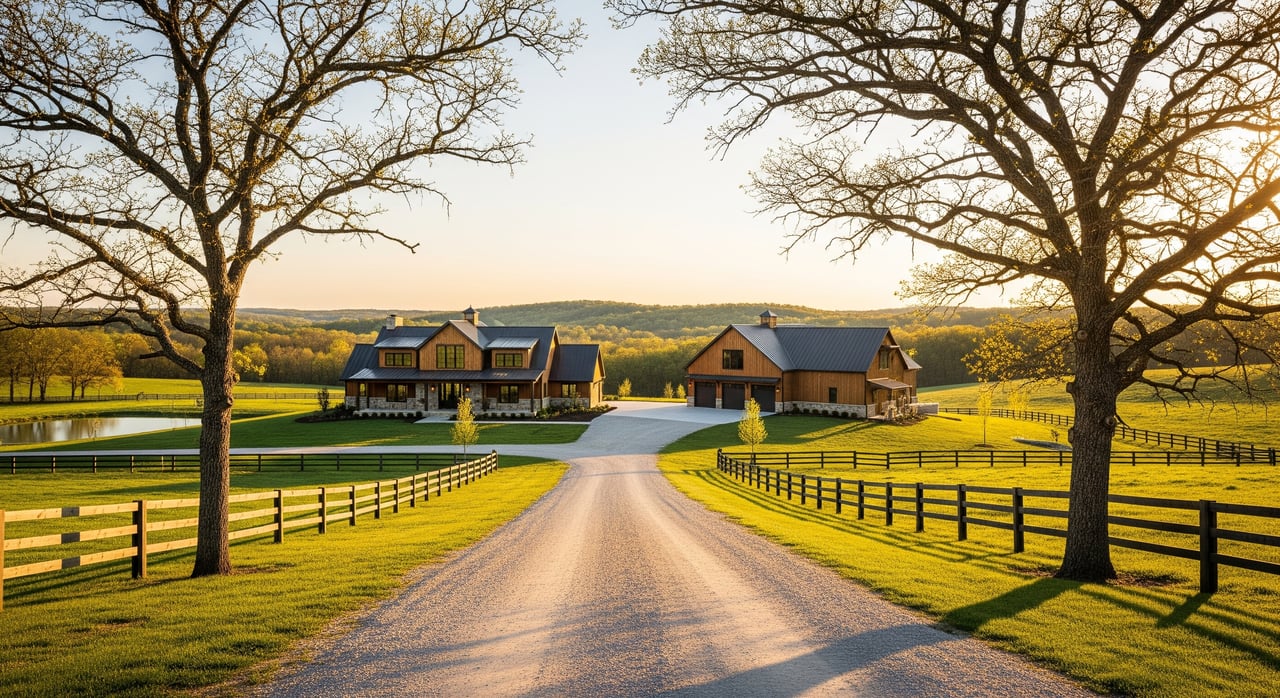
Picture your Cass County acreage with room for a barn, a big garden, and a quiet starry sky. Now imagine finding out, after closing, that your zone limits animals, outbuildings, or even where a driveway can go. You want clarity before you buy. This guide breaks down common acreage zoning in Cass County, what it typically allows, where to verify rules, and a step-by-step checklist to keep your plans on track. Let’s dive in.
Zoning basics in Cass County
Cass County blends farms, rural subdivisions, and growing exurban areas. That means your parcel may fall under county zoning or a city’s municipal code if it sits inside city limits. Start by confirming the jurisdiction, then pull the exact zoning designation and ordinance language for that parcel.
For acreage, you will usually verify three things:
- County or municipal zoning and the official zoning map for allowed uses and density.
- Recorded deed restrictions, plats, and any HOA rules that can be stricter than zoning.
- State rules that affect wells, septic, floodplain, and environmental protections.
Common acreage zones explained
Agricultural or Agricultural-Residential
These zones aim to preserve farming and very low residential density on larger lots. You can typically build a single-family home, add barns and fences, and keep small-scale livestock or crops. Some allow limited home-business or farm-stand activity with rules. Lot splits are often limited, and minimum parcel sizes are larger than in suburban zones.
Rural Residential or Estate Residential
These zones focus on residential use with room for accessory buildings. Think a primary home, a detached garage or workshop, and hobby-farm uses like horses or small livestock within defined limits. Minimum lot sizes are smaller than agricultural zones but still depend on septic and well suitability and standard setbacks.
Rural Conservation or Agricultural Preservation
These zones protect open space, soil, and water. You will see tight controls on density, building envelopes, and the types of allowed uses. Expect low residential density, agricultural uses, and conservation easements that limit future development.
Transitional or Rural Mixed-Use
Where growth is moving outward, some parcels may carry mixed-use or overlay designations. These can allow limited commercial or service uses and add special rules for scenic corridors, floodplains, or other overlays. Always check the base zone and any overlays together.
Inside city limits
If the parcel lies in a city like Harrisonville, Belton, or Peculiar, municipal zoning applies instead of county code. Names and standards differ, so verify with the city planning department and zoning map.
What you can build and do
Homes and density
A single-family home is commonly allowed in acreage zones, but the number of homes per acre and lot split options vary by zone. Septic suitability often limits density even when the zone seems flexible.
Barns, shops, and accessory units
Barns, workshops, and pole barns are typically permitted with size, height, and setback rules. Many places require permits for structures above a certain square footage or for any electrical or plumbing work. Some agricultural buildings may qualify for reduced residential code requirements, but you should confirm local policy.
Animals and hobby farming
Horses, chickens, and other small livestock are often allowed in agricultural and rural residential zones. Local nuisance or animal control ordinances may regulate the type and number of animals, confinement, and manure management. Confirm limits before you buy animals or build pens.
Home businesses
Home occupations are commonly allowed with restrictions on signage, employees, traffic, and noise. Anything beyond a low-impact home business usually needs a conditional use permit or rezoning.
Lot splits and subdividing
Agricultural zones often restrict how parcels can be split to preserve land size. Minimum frontages, access standards, and a formal subdivision or lot split process usually apply. Ask about road standards if you intend to create new driveways or private lanes.
Utilities and services
Outside city limits, you will often rely on a private well and on-site septic. Confirm soil suitability, permit requirements, and distances to power and broadband. Long utility runs can add meaningful cost, so include those estimates in your budget.
Environmental constraints
Floodplains, wetlands, streams, and drainage ways carry extra rules. Use FEMA’s Flood Map Service Center to check designations, and confirm any county or city overlays. Wetlands and waterways can trigger state or federal permits for disturbance and may limit buildable area.
- Reference floodplain status and mapping at the FEMA Flood Map Service Center.
- For environmental permitting questions, visit the Missouri Department of Natural Resources.
Technical checks that save money
Building permits and inspections
Ask about permit thresholds for sheds, barns, or pole structures, plus any separate electrical or plumbing permits. Agricultural exemptions may apply for certain farm buildings, but you still need to follow safety requirements and local policy.
Septic systems
If a system exists, request the permit record and as-built, and verify it meets current standards. For new systems, a soil evaluation, often called a perc test, is normal. The Missouri Department of Health & Senior Services outlines on-site sewage requirements and best practices.
Wells and water
Confirm whether the well is permitted, its yield in gallons per minute, and water quality test results. If you plan to drill a new well, check state spacing and construction rules through the Missouri Department of Health & Senior Services.
Driveway and road access
Verify legal access by public road, county road, or private easement. You may need a driveway permit from the highway authority. For private roads, confirm who maintains the road and how costs are shared.
Utilities and broadband
Measure the distance to the nearest power source, and confirm transformer capacity if you plan a shop or large HVAC loads. Check broadband and cell coverage for your work and lifestyle needs.
Easements, covenants, and mineral rights
Title documents may reveal utility easements, conservation easements, or road easements that affect how you can use parts of the land. Mineral reservations or leases can also impact surface use. Have a title professional review these items.
Where to verify rules
Start with Cass County Planning and Zoning or the relevant city planning department for parcels inside city limits. Ask for the official zoning map, ordinance sections for your zone, and any floodplain or overlay maps. Then pull the deed, plats, and any recorded covenants from the Recorder of Deeds. The Assessor and county GIS are helpful for parcel boundaries and land use classifications.
For state and federal references:
- Missouri land-use statutes and administrative rules: Missouri Revised Statutes
- Septic and well regulations: Missouri Department of Health & Senior Services
- Environmental and waterway permits: Missouri Department of Natural Resources
- Floodplain maps: FEMA Flood Map Service Center
- Land and wildlife stewardship information: Missouri Department of Conservation
- Underground utility locates before digging: Missouri One Call
Step-by-step due diligence checklist
- Confirm jurisdiction and which office governs your parcel.
- Pull the official zoning designation and zoning map for the property.
- Retrieve the recorded deed, plats, and any covenants or HOA documents.
- Order a title report to identify easements, liens, and mineral reservations.
- Verify septic and well status:
- Request existing septic permits and as-built or schedule a soil perc test.
- Obtain the well log, yield test, and current water quality test.
- Check floodplain and wetlands using FEMA maps and county overlays.
- Confirm if barns, shops, or accessory units need permits and the size and setback rules.
- Verify legal access, driveway permits, and private road maintenance responsibilities.
- Estimate utility costs and distances for power and internet.
- If you plan animals or a business, confirm animal limits and home occupation rules.
- Ask about planned rezoning, road work, or utility expansions affecting the area.
- Bring in pros as needed, such as a surveyor, civil engineer, septic designer, or land-use attorney.
Real-world planning tips for Cass County buyers
- Sketch your site plan early. Mark the home, barn, drive, well, and septic to spot setback or floodplain issues before you commit.
- Phase your build. If you plan a shop first, confirm whether residential codes or inspections will later affect that structure.
- Budget for access and utilities. Long driveways, culverts, and trenching can surprise buyers more than building materials.
- Keep records handy. Permits, tests, and as-builts will help with future improvements and resale.
Work with a local acreage specialist
Acreage is a lifestyle choice and a technical project. You want a guide who understands both. Our team regularly helps buyers verify zoning, coordinate septic and well checks, and plan for barns, arenas, and accessory buildings. If you want a clear, practical path from vision to closing, reach out to Dana Benjamin for a friendly consult.
Informational only. Not legal or permitting advice. Always verify parcels with Cass County or municipal planning and building departments, and consult licensed professionals for technical or legal questions.
FAQs
What does agricultural zoning allow in Cass County?
- Agricultural-style zones typically allow a single-family home, barns and fences, small-scale crops, and hobby livestock, with limits on lot splits and non-farm commercial uses. Verify your exact zone’s standards with the local planning office.
Can I build a pole barn on my acreage without a permit?
- Permit thresholds vary. Many jurisdictions require permits for larger structures and for electrical or plumbing work. Confirm size and setback rules with the building department before you build.
Are hobby farms treated the same as commercial farms?
- Generally no. Small-scale animals, gardens, and home occupations are often allowed, while larger commercial operations can trigger different permits and reviews.
How many animals can I keep on my property?
- Animal numbers and types are controlled by zoning and local nuisance or animal control ordinances. Ask planning or animal control for current limits before purchasing livestock.
Can I split my Cass County acreage later?
- It depends on your zone’s minimum lot size, frontage, and the county subdivision process. Many agricultural zones restrict splits to preserve larger parcels.
How do I check floodplain status before buying?
- Use the FEMA Flood Map Service Center to see if the parcel lies in a flood zone and confirm any local floodplain overlays or setback rules with the planning office.