Looking for room to breathe without feeling cut off from the city? That balance is exactly what draws many buyers to rural Jackson County. You can find acreage, open views, and a quieter pace while still staying connected to Kansas City, nearby services, and everyday essentials. If you are wondering what that lifestyle really looks like, here is what to know before you start your search.
Why Rural Jackson County Stands Out
Jackson County is not a far-flung rural outpost. It is a large metro county with an estimated 732,994 residents in 2025, and the county includes a wide mix of communities and landscapes. That mix is what makes it appealing if you want land without giving up access to a major metro area.
Across the county, you will find places people already associate with different lifestyles, including Blue Springs, Buckner, Grain Valley, Lake Lotawana, Lake Tapawingo, Lee's Summit, Oak Grove, and Sibley. The county describes Sibley as a rural community, Blue Springs as about 20 minutes from downtown Kansas City, and Oak Grove as 28 miles east of Kansas City on I-70. In other words, rural living here often means you are still within reach of work, shopping, recreation, and the broader Kansas City metro.
What Rural Living Can Look Like
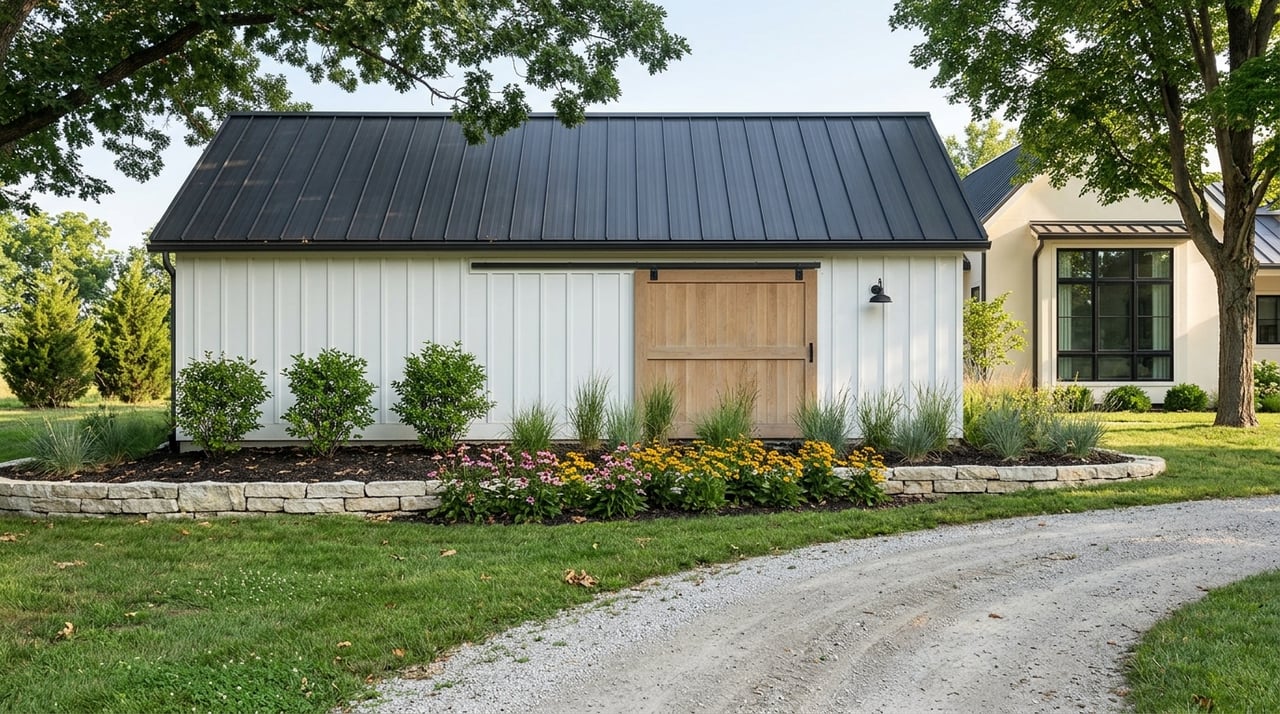
In Jackson County, rural living is not one-size-fits-all. One property may offer a few acres for privacy and a shop building, while another may support a more active farm or animal setup. The right fit depends on how you want to use the land and what the county allows on that parcel.
The county's zoning code gives a helpful snapshot of that range in unincorporated areas. The Residential Estates district requires a 2-acre minimum, the Residential Ranchette district requires a 5-acre minimum, and the Agricultural district is intended for 10-acre-plus tracts used for crop farming, animal raising, pasture, and woodlands. That creates a clear spectrum for buyers who want anything from a little elbow room to a more serious landholding.
Acreage Options by Zoning
The Residential Ranchette district is especially relevant for buyers chasing the classic rural lifestyle. County language says it is designed for very low-density rural homes and allows a limited number of large animals and accessory buildings in a quiet rural setting. That can matter if your goals include a barn, outbuilding, hobby animals, or extra storage for equipment and recreation.
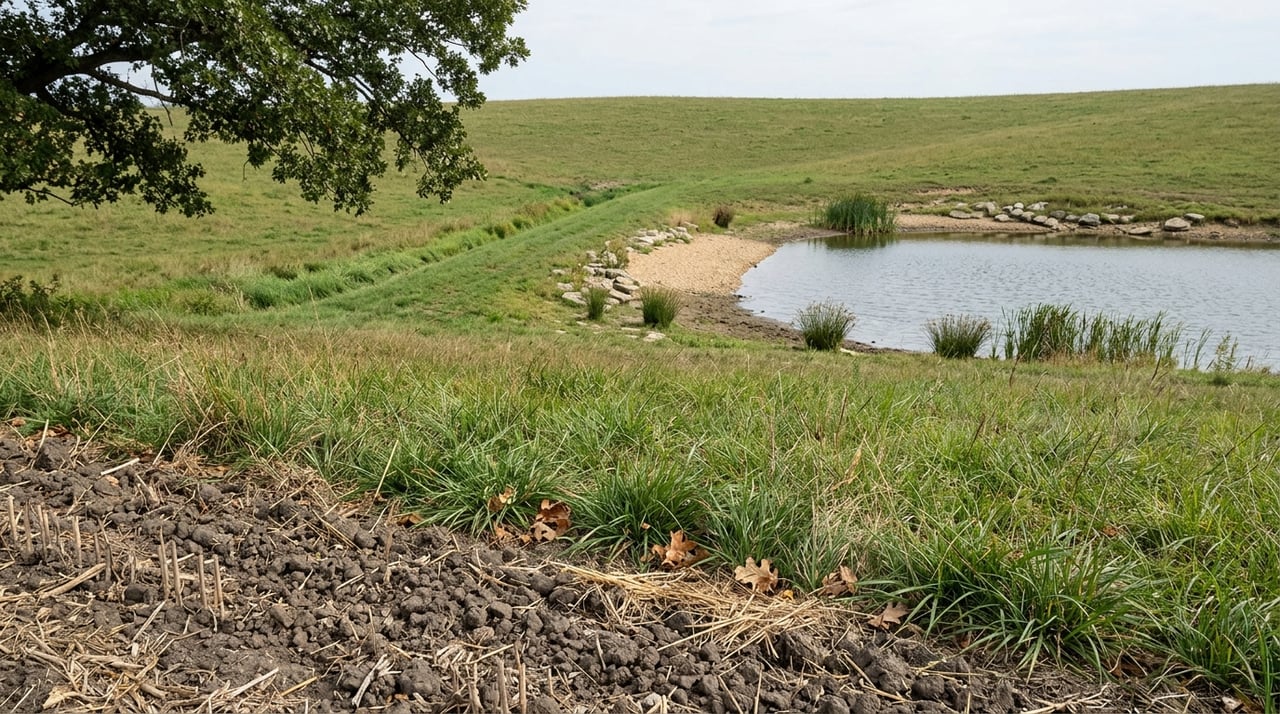
If you are looking at land in the Agricultural district, you are usually stepping into a larger-scale property type. The county describes AG zoning as suited for 10-acre-plus tracts devoted to agricultural uses like crops, pasture, woodlands, and raising animals. For buyers interested in lifestyle acreage or a farm-oriented property, that distinction can help narrow the search early.
Why Parcel Details Matter
One of the biggest mistakes buyers make with rural property is assuming every parcel works like a suburban homesite. In Jackson County, that is not always the case. Sewer, septic, lot size rules, and county jurisdiction can all shape what you can do with the property.
The county notes that Public Works permit and code-enforcement responsibility applies only in unincorporated areas. That means one of your first questions should be whether the property is in an unincorporated part of Jackson County or inside a city jurisdiction. That answer affects where you verify rules, permits, and property requirements.
Septic and Sewer Questions
The county specifically points buyers to on-site septic permitting information, and it also publishes sewer district maps for some areas. That is a good reminder that sewer versus septic is a parcel-specific issue, not something you should guess based on nearby homes. If a property relies on on-site septic, the county code says new lots using septic must be at least 3 acres.
For you as a buyer, that means due diligence is essential. Before you fall in love with a parcel, confirm the utility setup, the governing jurisdiction, and any development or use limits that come with the site. On acreage, those details often matter just as much as the view.
A Real Agricultural Footprint
Rural Jackson County is not just a lifestyle idea. It still has a measurable agricultural presence. The 2022 Census of Agriculture county profile reports 588 farms and 80,664 acres in farms, with an average farm size of 137 acres.
That matters because it shows you are not searching for an isolated niche. Jackson County remains connected to the Kansas City economy, but it also has an established base of farmland and larger rural tracts. If you are drawn to land, hobby farming potential, or a more open setting, there is real depth to that market here.
Outdoor Access Adds Value
One of the best parts of living on the rural edge of Jackson County is that open space is not limited to your own property. The county's parks system adds another layer to the lifestyle. Jackson County Parks + Rec says its system covers nearly 22,000 acres and includes four lakes, three campgrounds, 160 miles of trails, a public golf course, and historic sites dating to 1808.
That kind of outdoor infrastructure can shape your day-to-day life in a very practical way. Even if your property is focused on privacy or land use, you are still close to places for hiking, camping, boating, and time outside. For many buyers, that is part of what makes this area feel so livable.
Parks Near Eastern Jackson County
Fleming Park is one of the clearest examples. The county describes it as 7,800 acres of natural parkland just 15 minutes east of Kansas City off I-470. The park includes access to boating, water sports, hiking, historic sites, and a public beach around Lake Jacomo and Blue Springs Lake.
Longview Lake Park adds even more recreational scale, with 4,900 acres and more than 100 campsites. If you want rural living that still feels active and connected, these nearby amenities help make that possible. You can enjoy more space at home without giving up the ability to get out and use the region.
Daily Life Still Feels Connected
A big reason buyers consider rural Jackson County is the chance to have more land without a difficult disconnect from work or routine errands. County and Census data support that idea. Jackson County's mean travel time to work is 23.4 minutes, which reflects a county still shaped by metro commuting patterns.
The county's community descriptions reinforce that connection. Blue Springs is about 20 minutes from downtown Kansas City, Oak Grove sits on I-70 east of the city, and Fleming Park is just off I-470. Those details help explain why this area can appeal to buyers who want acreage but still need practical access to Kansas City and surrounding communities.
Broadband and Hybrid Work
Modern rural living is also about digital connection. Countywide, 95.7% of households report having a computer and 91.0% report a broadband subscription. That does not guarantee service quality for every parcel, but it does show that Jackson County overall supports connected households.
If you work from home full time or part time, this is a useful starting point. You should still verify service availability at the property level, but the broader county picture suggests rural living here is not defined by going offline. For many households, that makes the move feel much more realistic.
Services That Support Acreage Owners
Owning rural property often comes with a different set of practical questions after closing. In unincorporated Jackson County, Public Works handles road and bridge repair, snow removal, building permits, code enforcement, animal control, and sanitary sewer operations. Those are the kinds of day-to-day systems that can have a real impact on your ownership experience.
This is one reason local knowledge matters with acreage. You are not just buying a house. You may also be buying a longer driveway, different utility systems, outbuildings, larger land maintenance needs, and county-level service relationships. Knowing where to look for answers can make the process smoother from the start.
How To Evaluate the Right Property
If you are comparing rural homes and land in Jackson County, it helps to look beyond square footage and price. The best property for you is usually a mix of lifestyle fit and practical function. That balance is where good decisions happen.
As you narrow your options, focus on a few core questions:
- How much land do you actually want to maintain?
- Is the parcel in an unincorporated area or within a city?
- What zoning district applies to the property?
- Does the property use sewer or septic?
- If septic is involved, what lot-size and permit issues need review?
- Do road access and commute routes fit your routine?
- Are outbuildings, hobby-farm uses, or animals allowed for your intended use?
Those questions can help you quickly separate a beautiful listing from a truly workable one. In rural property, small details often make a big difference.
The Appeal of Having Kansas City Nearby
The phrase "rural Jackson County" can sound like you have to choose between space and convenience. In reality, this area often gives you a blend of both. You can find acreage, quieter roads, and a stronger connection to land while still staying close to the energy and services of the Kansas City metro.
That balance is what makes Jackson County so compelling for many buyers. It offers room to spread out, a real agricultural footprint, major outdoor amenities, and practical regional access. If your goal is a lifestyle that feels more open without feeling isolated, this part of the market deserves a close look.
When you are ready to explore acreage, rural homes, or land in Jackson County, working with a team that understands how these properties differ can make all the difference. Connect with Dana Benjamin to request a free consultation and home or land valuation.
FAQs
What does rural living in Jackson County, MO usually mean?
- It often means living on larger parcels in areas such as Sibley, Oak Grove, Buckner, or other outer-edge parts of the county while still staying connected to Kansas City, nearby suburbs, and daily services.
What acreage sizes are common in unincorporated Jackson County?
- County zoning shows a range that includes 2-acre minimums in Residential Estates areas, 5-acre minimums in Residential Ranchette areas, and 10-acre-plus tracts in Agricultural areas.
What should buyers know about septic in rural Jackson County?
- Septic is a parcel-specific issue, and the county says new lots using on-site septic must be at least 3 acres, so you should verify utility setup, permitting, and jurisdiction before moving forward.
Is rural Jackson County still convenient for Kansas City commuters?
- Yes. County information notes that Blue Springs is about 20 minutes from downtown Kansas City, Oak Grove is 28 miles east of Kansas City on I-70, and the countywide mean travel time to work is 23.4 minutes.
Are there parks and outdoor amenities near rural Jackson County homes?
- Yes. Jackson County Parks + Rec says the system includes nearly 22,000 acres, four lakes, three campgrounds, and 160 miles of trails, with major destinations like Fleming Park and Longview Lake Park nearby.
Why is zoning important when buying rural property in Jackson County?
- Zoning helps determine minimum lot size and whether a property may support uses such as rural residential living, accessory buildings, limited large animals, or agricultural activity, so it is a key part of evaluating any acreage purchase.