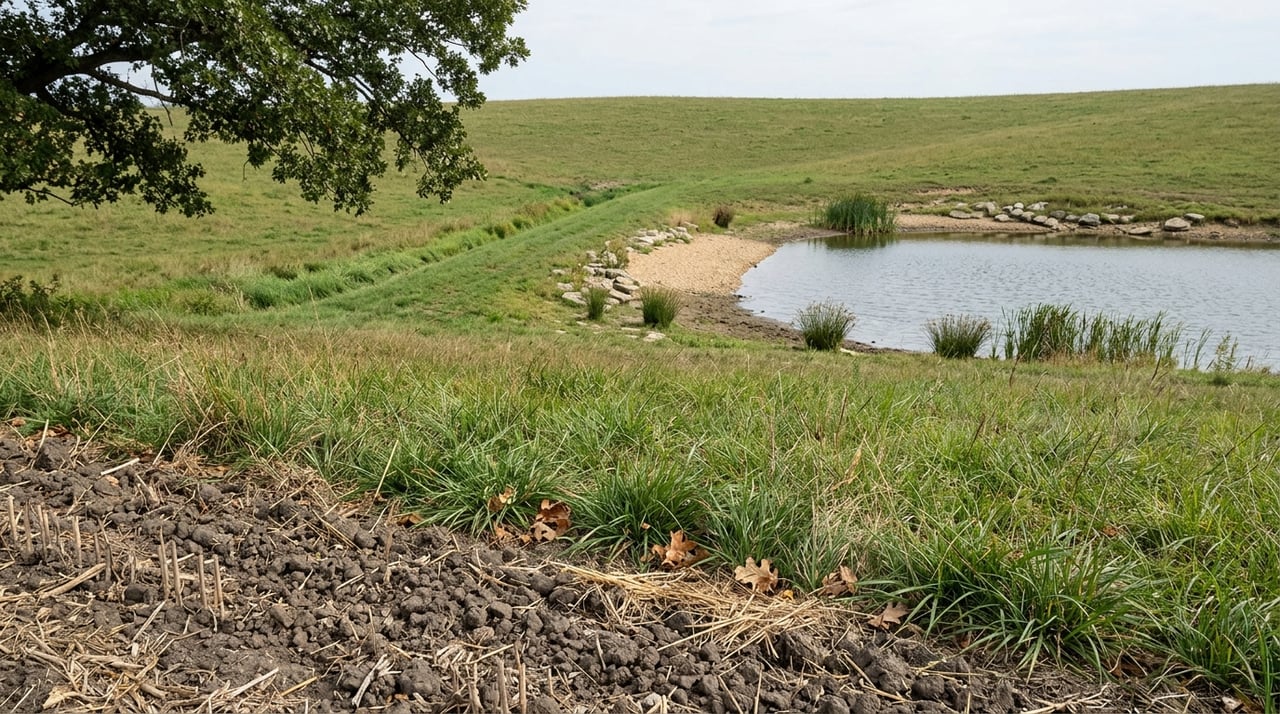
Are you wondering when Miami County land will get the strongest response from buyers? Timing matters, but with acreage, farm ground, and lifestyle tracts, the calendar is only part of the story. If you want more attention, stronger buyer interest, and fewer avoidable questions, it helps to know when demand tends to rise and what buyers want to see before they act. Let’s dive in.
Why timing matters in Miami County
Miami County is still deeply tied to agriculture, but it is not a one-note land market. The USDA’s 2022 Census of Agriculture counted 1,254 farms and 273,336 acres in farms, with a mix of cropland, pastureland, and smaller tract sizes that can appeal to different buyers. That matters if you are selling because your property may compete for attention from both working-land buyers and people looking for lifestyle acreage.
The county is also seeing population growth. Miami County’s population estimate reached 36,240 in 2025, up 6.0% from 2020, and the county continues to balance rural lifestyles with development pressure. For sellers, that means your land may attract interest from buyers with very different goals, so listing at the right time can widen your audience.
Best listing window: late winter to spring
For most Miami County landowners, late winter through spring is usually the strongest window for buyer response. National housing seasonality points to spring and early summer as the busiest time for buyer activity, with late May often highlighted as a sweet spot and March through July generally performing well.
For land in Miami County, that seasonal pattern makes practical sense. Listing in late winter or spring can help you capture broad attention before summer vacations and heavy fieldwork start competing for buyers’ time. It also puts your property in front of buyers when many are actively planning moves or purchases.
Another helpful point is that many sellers begin thinking about listing three to four months before going live. If you want to hit the spring market well, your prep work may need to start in late fall or winter. That gives you time to organize documents, clarify property details, and build a listing that answers buyer questions early.
Why spring often draws more attention
Spring tends to work well because buyers are more active and more willing to schedule tours. Weather is usually easier for property visits, and land features are often easier to access and evaluate than they are in colder winter conditions.
This season can also help lifestyle-acreage buyers picture future use. Open ground, pasture areas, tree lines, and approach routes are often easier to appreciate when the property is more inviting to tour. For many sellers, that emotional connection can support stronger early interest.
A second window: late summer to early fall
If you miss the spring market, you may still have a useful second opportunity. A late-summer to very-early-fall listing window can make sense, especially for farm and pasture tracts where buyers want to evaluate access, drainage, fencing, and land use patterns after the busiest spring fieldwork has eased.
This timing is supported by the practical rhythm of Kansas agriculture. K-State’s crop planting guidance shows key spring planting windows for crops like corn and soybeans, while wheat planting typically happens in September and October depending on the area. That means there can be a short period after major spring work and before fall activity ramps up when buyers have more bandwidth to focus on a land purchase.
When this second window works best
This later window can be especially helpful for properties where the land itself needs to do the talking. If buyers need to assess pasture condition, field layout, entry points, or visible improvements, late summer may help them see those details more clearly.
It can also be useful for sellers who need extra time to prepare marketing, gather records, or sort out county questions. The key is to avoid waiting so long that you run into the slower late-fall and winter season, when buyer activity often drops.
When slower response is more likely
November through January is usually the softest period for buyer response. Seasonal slowdowns are common because of colder weather, holiday travel, and fewer active buyers and listings.
That does not mean a winter listing can never work. A well-priced tract with strong access, clear use potential, or income-producing appeal can still draw serious interest. Still, if your goal is the broadest response possible, spring usually gives you better odds.
Land use clarity can matter as much as timing
In Miami County, the strongest listings are usually the ones that make a property’s likely end use easy to understand. The county’s Planning and Zoning Department oversees zoning, subdivision regulations, and the comprehensive plan, and the unincorporated area is zoned.
The county’s rural-living guide says most of Miami County is zoned Countryside (CS) or Agricultural (AG). It also notes that newly created lots generally need 15 acres in CS and 20 acres in AG. If a buyer is already wondering whether a tract can be split, built on, or used a certain way, clarity up front can keep them engaged instead of sending them elsewhere.
If subdivision or rezoning is part of the plan
If your sale depends on rezoning, a conditional use question, or the ability to split land, start earlier than you think. County approvals run through a public process, and the Planning Commission meets on the first Tuesday of each month.
That timeline can affect when your property is truly ready for market. If you list before key questions are answered, you may limit buyer confidence. In many cases, the stronger response comes when the path forward is easier to explain.
What buyers want answered before they visit
Acreage buyers tend to move faster when the basic facts are easy to verify. Miami County’s rural-living guidance makes clear that buyers should verify boundaries, utility availability, floodplain issues, easements, mineral rights, covenants, and access.
That means your listing will often perform better when those questions are addressed early. Instead of making buyers dig for answers, give them a cleaner path to evaluate the tract.
Build a clean information packet
Before you list, it helps to organize the details buyers ask about most often:
- Legal access
- Approximate or surveyed boundaries
- Zoning district
- Floodplain status
- Utility information
- Existing lease income, if any
- Known easements or restrictions
- Current use of the land
This kind of preparation can reduce friction. It also helps serious buyers focus on whether the tract fits their goals instead of getting stuck on preventable uncertainty.
Pricing signals buyers watch closely
Land buyers in Miami County often look beyond simple price per acre. For income-producing property, productive use and lease potential can shape how buyers view value.
The USDA NASS 2025 county cash-rent map put Miami County at $76.50 per acre for non-irrigated cropland and $31.00 per acre for pasture. Those numbers are not the same as sale price, but they can help frame how buyers think about earning potential and utility.
At the broader market level, USDA ERS reported that U.S. farmland values continued to rise in 2025, with cropland averaging $5,830 per acre and pastureland $1,920 per acre. For sellers, the takeaway is simple: pricing should reflect not only acreage count, but also land type, use, and income characteristics.
How to prepare for the strongest response
If you want to maximize response when your listing goes live, timing and presentation should work together. The best results often come from preparing the property before the ideal season arrives.
Here are a few smart ways to get ahead:
- Start planning three to four months before your target list date
- Confirm zoning and lot-split questions early
- Gather records on access, utilities, leases, and floodplain status
- Clarify boundaries, especially if fences or hedgerows may be misleading
- Present the tract around its clearest use, whether farm, pasture, equestrian, or lifestyle acreage
Match the season to the property
Not every tract should be marketed exactly the same way. A smaller lifestyle parcel may benefit most from spring traffic, while a farm or pasture tract may also show well after the main rush of field activity.
The goal is to line up the listing date with the moment when buyers can best understand both the land and its possibilities. That is often where stronger response begins.
Final thoughts on listing timing
If you own land in Miami County, the best time to list is usually late winter through spring, with a useful backup window in late summer to very early fall. Spring tends to capture the broadest buyer pool, while the later window can help buyers assess practical land features once the busiest field season has eased.
Just as important, strong response usually comes from preparation. When your pricing is thoughtful, your property facts are clear, and your listing tells a complete story, buyers have more confidence taking the next step. If you are thinking about selling acreage, farm ground, or a lifestyle tract in Miami County, Dana Benjamin can help you position it with the kind of care and strategy unique land deserves.
FAQs
When is the best time to list land in Miami County, KS?
- For most sellers, late winter through spring is usually the strongest window for buyer response, with a secondary opportunity in late summer to very early fall.
Why does spring often work best for Miami County land listings?
- Spring usually brings more buyer activity, easier touring conditions, and a chance to reach buyers before summer vacations and heavy fieldwork pull attention away.
Can a buyer split a land tract in Miami County, KS?
- It depends on zoning, minimum lot size, and county approval, and newly created lots generally need 15 acres in CS zoning and 20 acres in AG zoning.
What should a Miami County land seller verify before listing?
- Sellers should be ready to clarify access, boundaries, zoning, floodplain status, utility information, easements, mineral rights, covenants, and any lease income.
Does agricultural use matter when marketing land in Miami County?
- Yes. In much of the county, agricultural use is a core zoning fit, so buyers often respond better when the property’s likely use is clear from the start.
Should a Miami County land seller get a survey before listing?
- A survey is often helpful because the county warns that fences and hedgerows do not always show the true boundary.