Wondering how to get a Johnson County acreage ready for the market without creating extra work, extra cost, or extra risk? Selling land or a lifestyle property is different from selling a typical suburban home, and buyers often look closely at access, records, utilities, and overall upkeep before they make a move. If you want your property to show well and hold up during due diligence, a smart prep plan can make all the difference. Let’s dive in.
Start With Jurisdiction and Records
Before you clean up a fence line or schedule photos, confirm whether your acreage is in unincorporated Johnson County or inside city limits. That first step matters because county permit and code guidance applies in unincorporated areas, while city zoning and building rules apply if the parcel is inside a city.
This is also the right time to pull your core property records. Johnson County Land Records can help you review ownership details, legal description, appraisal and tax links, permits, utility information, historical attributes, aerial photos, and recorded documents. The Register of Deeds is also a key source for recorded land records.
Having these details organized early helps you avoid surprises later. It also gives you a cleaner foundation for pricing, marketing, and buyer questions during showings and inspections.
Focus on What Buyers See First
Acreage buyers often make quick judgments based on the first few minutes on the property. The driveway approach, open views, condition of outbuildings, and overall organization all shape how they feel about the land. Even if your property has strong bones, clutter and visual distractions can make it feel harder to understand.
In unincorporated Johnson County, code enforcement pays attention to issues such as inoperable vehicles, contractor yards, outdoor storage, cargo containers used as storage, unscreened trash enclosures, and construction without permits. That makes cleanup more than a cosmetic step in some cases.
A practical pre-listing checklist often includes:
- Remove or relocate inoperable vehicles
- Clear scattered outdoor storage
- Tidy trash areas and utility zones
- Straighten equipment in sheds or barns
- Sweep tack rooms, loafing sheds, and work areas
- Move extra trailers or machinery out of main photo views
The county does not regulate grass height, weeds, or ditch mowing in these areas, so mowing is mainly a presentation choice. Still, fresh mowing can make a property feel easier to tour and easier to picture.
Clean Up Brush Without Overclearing
Overgrown brush can make acreage feel smaller, less usable, and harder to maintain. K-State notes that brush competes with desirable forage, can interfere with grazing, and may complicate livestock handling. For many sellers, selective cleanup is one of the highest-impact improvements before listing.
The goal is balance, not stripping the land bare. Isolated trees may provide shade and visual appeal, while aggressive clearing near streams and ravines can increase erosion and reduce water quality. In most cases, a measured approach helps the land look cared for while preserving useful natural features.
Think in terms of visibility and function. Open up key sight lines, improve access to gates or pasture areas, and reduce unmanaged growth around barns, fence lines, and primary outdoor spaces.
Improve Pasture Presentation
If your acreage includes horse or livestock areas, pasture condition matters to buyers. K-State recommends rotational grazing for horse properties, removing horses when grass is grazed down to 3 to 4 inches, and mowing after rotation to encourage more uniform growth while reducing weeds and manure buildup.
If animals will stay on the property during the listing period, muddy turnout conditions are worth addressing. Wet-soil trampling can damage pasture productivity, and muddy, worn-down areas can hurt both photos and in-person impressions.
You do not need a perfect showplace to make a strong impression. You do want the property to look orderly, functional, and actively managed.
Treat Driveways and Earthwork Carefully
One of the biggest mistakes acreage owners can make is starting outdoor work without checking permit rules first. In unincorporated Johnson County, a new driveway entrance, removal and replacement of an existing entrance, or a temporary construction entrance requires an entrance permit. The county reviews items such as sight distance, intersections, adjacent entrances, frontage, and roadside drainage capacity.
That means last-minute changes to improve access are not always simple. If an entrance was added without approval, the county states unauthorized entrances can be removed.
Drainage is another area where sellers should slow down and verify requirements. If your property includes ditches, streams, low areas, or mapped floodplain impacts, grading or other work may trigger county drainage criteria. A floodplain development permit is also required for new development, redevelopment, or substantial improvements in mapped floodplain areas.
Land-disturbing activity includes clearing, removing vegetation, grading, grubbing, excavating, filling, logging, and storing materials. In unincorporated Johnson County, projects disturbing less than one acre still must follow erosion and sediment control standards, and projects disturbing one acre or more require a county land-disturbance permit along with the state construction stormwater permit packet. For larger projects, the county says the application must be submitted at least 60 days before construction.
Call Before You Dig
Even small prep projects can create bigger problems if utilities are not marked first. Before digging for fence posts, culverts, gate installs, utility trenching, tree planting, or driveway work, contact Kansas 811.
Kansas 811 says routine excavations require at least two full working days of notice. It also specifically tells homeowners to call before small projects like installing a fence or planting trees.
This step is simple, but it protects your property, your timeline, and your safety. It also signals to buyers that your improvements were approached responsibly.
Gather Septic, Well, and Title Documents Early
For many Johnson County acreage sales, paperwork can be just as important as curb appeal. Buyers often ask about septic, well testing, access, easements, and legal boundaries before they get comfortable moving forward. If you gather these records before photos and showings, your listing process can feel much smoother.
If the property uses a private sewage treatment system, Johnson County advises sellers to schedule a resale inspection well in advance of closing. The tank must be pumped out, the main opening uncovered, and the inspection covers indoor plumbing, system components, lot conditions, and historical files. In areas covered by the code, the new owner must apply for a System Use Permit within 60 days after transfer.
If the property uses a private well, EPA recommends annual testing for total coliform bacteria, nitrates, total dissolved solids, and pH. EPA also advises testing immediately after flooding, major land disturbance, nearby construction, or any noticeable change in water quality.
For title and marketing preparation, gather:
- Deed or legal description
- Plat or survey, if available
- Easements
- Recorded documents
- Septic records
- Well test information
- Permit-related records tied to the property
Johnson County Land Records and the Register of Deeds are the main local sources for many of these items. Reviewing them before listing can help you confirm parcel details and answer buyer questions with confidence.
Think Twice Before Splitting Acreage
Some sellers assume dividing land before listing will automatically increase flexibility or value. In Johnson County, that is not something to guess on. If you are considering splitting acreage, buyers and sellers are advised to check with the County Planning Office first.
The reason is simple. Resulting parcels must meet minimum standards, and substandard parcels can limit future permits and land-use approvals.
If subdivision potential may affect your pricing or marketing strategy, it is better to verify the facts before the property goes live. Clear answers can make your listing stronger and help reduce confusion during negotiations.
Stage the House and Outbuildings
Staging is not just for luxury interiors or suburban homes. It matters on acreage too, especially when buyers are trying to picture how the full property lives day to day.
National staging guidance shows why this matters. Eighty-three percent of buyers’ agents say staging makes it easier for buyers to visualize a property as their future home, and about half of sellers’ agents report shorter time on market for staged homes.
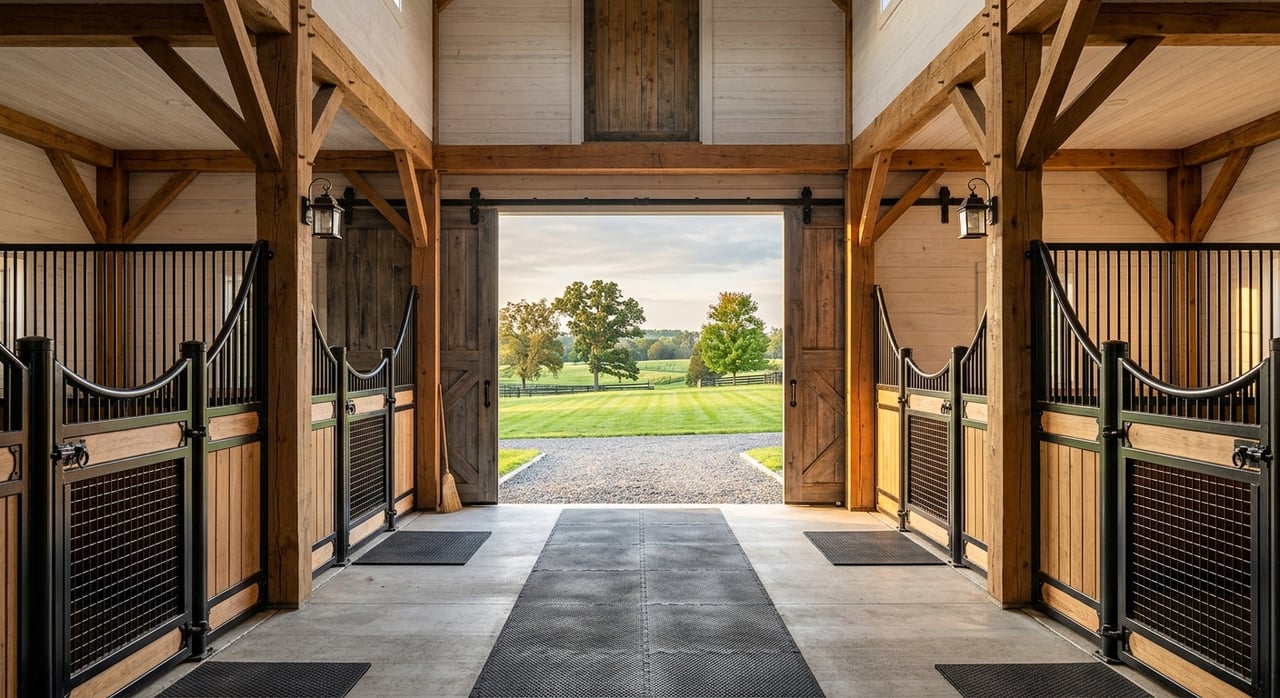
For acreage listings, apply those same standards to the main house and to any outbuildings that will appear in photos. That usually means clean light fixtures, balanced lighting, dust-free surfaces, simple props, closed toilet lids, and vehicles moved out of the driveway. Barns, shops, and sheds should also be swept, organized, and edited so buyers can quickly understand the space.
Prepare for Buyer Due Diligence
A well-prepared acreage sale is not just about making the property look good. It is also about being ready for the questions buyers are likely to ask once they get serious.
Common due diligence questions often include:
- Is the driveway entrance legal, safe, and properly permitted?
- Is the septic system functional and ready for transfer?
- Is there a private well, and when was it last tested?
- What easements or recorded documents affect the property?
- Are there access constraints buyers should know about?
- Can the acreage be split or developed later?
When you can answer these questions early, your listing tends to feel more credible and more complete. That can lead to a smoother path from showing to contract.
Why Preparation Pays Off
Johnson County acreage attracts buyers who care about land use, lifestyle, and long-term potential. They are often looking at more than the home itself. They want to understand the property as a whole, from the entrance to the pasture to the paperwork.
That is why thoughtful preparation matters. Clean presentation helps the property photograph better, organized records reduce uncertainty, and permit-aware planning helps you avoid expensive missteps right before listing.
If you are preparing to sell acreage, horse property, or a lifestyle parcel in Johnson County, the best next step is to create a plan that fits your land, your improvements, and your timeline. For specialized guidance and a tailored strategy, connect with Dana Benjamin for a free consultation and home or land valuation.
FAQs
What should you do first before selling acreage in Johnson County?
- First, confirm whether the property is in unincorporated Johnson County or inside city limits, because the applicable zoning, building, and permit rules depend on that location.
What records should you gather before listing a Johnson County acreage?
- Gather the deed or legal description, plats or surveys, easements, recorded documents, septic records, permit-related records, and other parcel details available through Johnson County Land Records and the Register of Deeds.
Does a Johnson County acreage seller need a septic inspection?
- If the property uses a private sewage treatment system, Johnson County advises sellers to schedule a resale inspection well in advance of closing, with the tank pumped and opened for inspection.
Should you test a private well before selling acreage in Johnson County?
- If the property has a private well, EPA recommends annual testing for total coliform bacteria, nitrates, total dissolved solids, and pH, with additional testing after flooding, major land disturbance, nearby construction, or noticeable water-quality changes.
Do driveway changes on unincorporated Johnson County acreage need a permit?
- Yes, in unincorporated Johnson County, a new driveway entrance, replacement of an existing entrance, or a temporary construction entrance requires an entrance permit.
Can you split acreage before selling in Johnson County?
- Maybe, but you should check with the County Planning Office first because resulting parcels must meet minimum standards, and substandard parcels can limit future permits and land-use approvals.
How should you prepare barns and outbuildings before listing acreage?
- Sweep, organize, remove extra stored items, straighten equipment, and make each space easy to understand in photos and showings so the property feels well maintained and functional.